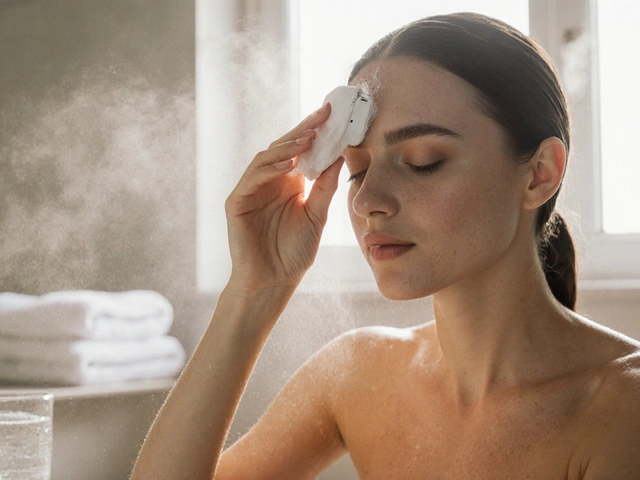
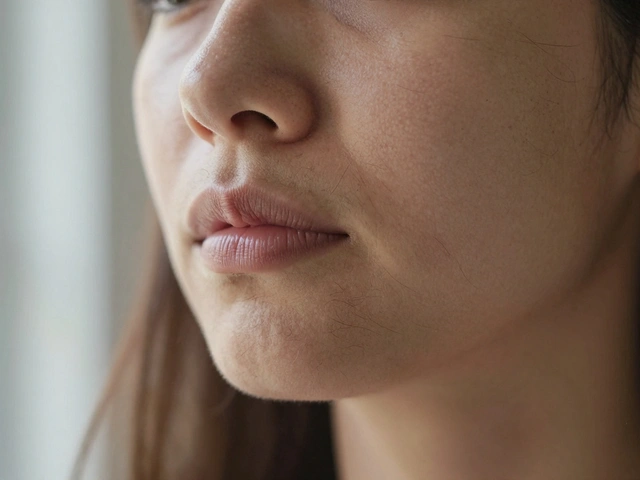
When you use a new cream or lipstick and your skin starts to burn, itch, or break out, it’s not just bad luck—it’s likely an alergie na kosmetiku, nebezpečná imunitní reakce na látky v kosmetických produktech. Also known as kontaktní alergie, it happens when your skin mistakes harmless ingredients for invaders and reacts with redness, swelling, or peeling. This isn’t just a nuisance—it can turn into chronic irritation if you keep using the same products.
Many people think it’s just dry skin or stress, but the real culprits are often hidden in plain sight: parabeny, fragrance, formaldehyde releasers, and even natural oils like tea tree or lavender. These aren’t rare chemicals—they’re in most shampoos, lotions, and even "hypoallergenic" brands. If you’ve noticed the same reaction every time you switch to a new moisturizer or mascara, it’s not coincidence. Your skin is screaming for help.
People with citlivá pleť, kůže, která reaguje na malé změny v kosmetice are especially vulnerable. But even those with normally tough skin can develop allergies over time. It’s not about being "sensitive"—it’s about cumulative exposure. One product might be fine for years, then suddenly trigger a reaction. That’s because your immune system changes. It’s not your fault. It’s biology.
And it’s not just the face. Your hands, neck, eyelids, and even lips can react. A new hand cream? Red, flaky knuckles. A new shampoo? Itchy scalp. A new lip balm? Swollen lips. These aren’t random—they’re clues. The alergeny v kosmetice, látky, které způsobují alergické reakce na kůži are often listed under confusing names like "parfum" or "fragrance," hiding dozens of potential triggers.
You don’t need to stop using makeup or skincare altogether. You just need to learn how to read labels, spot the red flags, and test products safely. Patch testing isn’t optional—it’s your first line of defense. Apply a tiny amount behind your ear for three days. If nothing happens, it’s probably safe. If your skin reacts? Stop. Don’t wait for it to spread.
Some brands now offer fragrance-free, preservative-free options, but even those aren’t always safe. The real solution? Simplify. Use fewer products. Choose ones with five ingredients or less. Water, glycerin, ceramides—that’s all your skin really needs. You don’t need 15-step routines. You need clarity.
And if you’re already suffering? Stop everything. Let your skin heal. Use only plain, unscented moisturizers. Avoid hot water. Don’t scrub. Your skin isn’t broken—it’s overwhelmed. Give it time. Then rebuild slowly, one product at a time.
Below, you’ll find real stories and practical advice from people who’ve been there: what products ruined their skin, what finally helped, and how to avoid the same mistakes. No fluff. No marketing. Just what works when your skin says "enough."
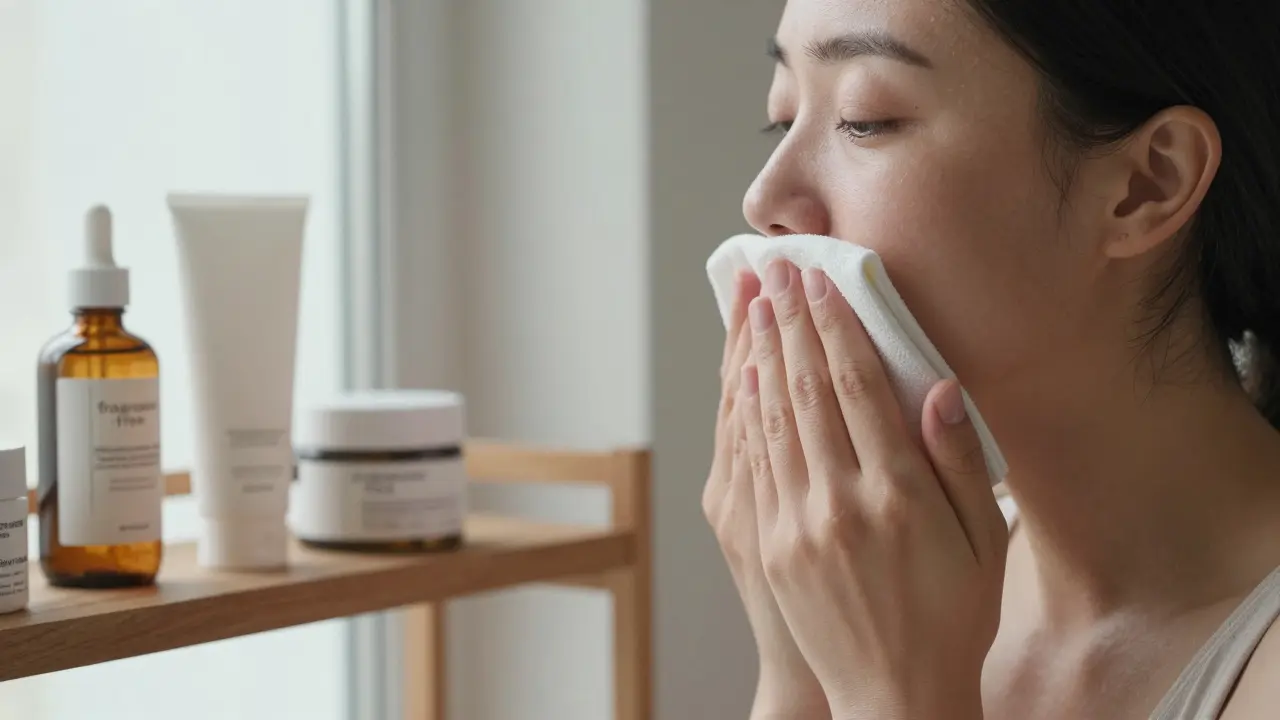
Pokud máš velmi citlivou pleť, nejde o to, kolik krémů používáš, ale o to, co v nich je. Zjisti, co způsobuje podráždění a jak vybrat správnou dermokosmetiku pro klidnou, zdravou kůži. (Číst více)
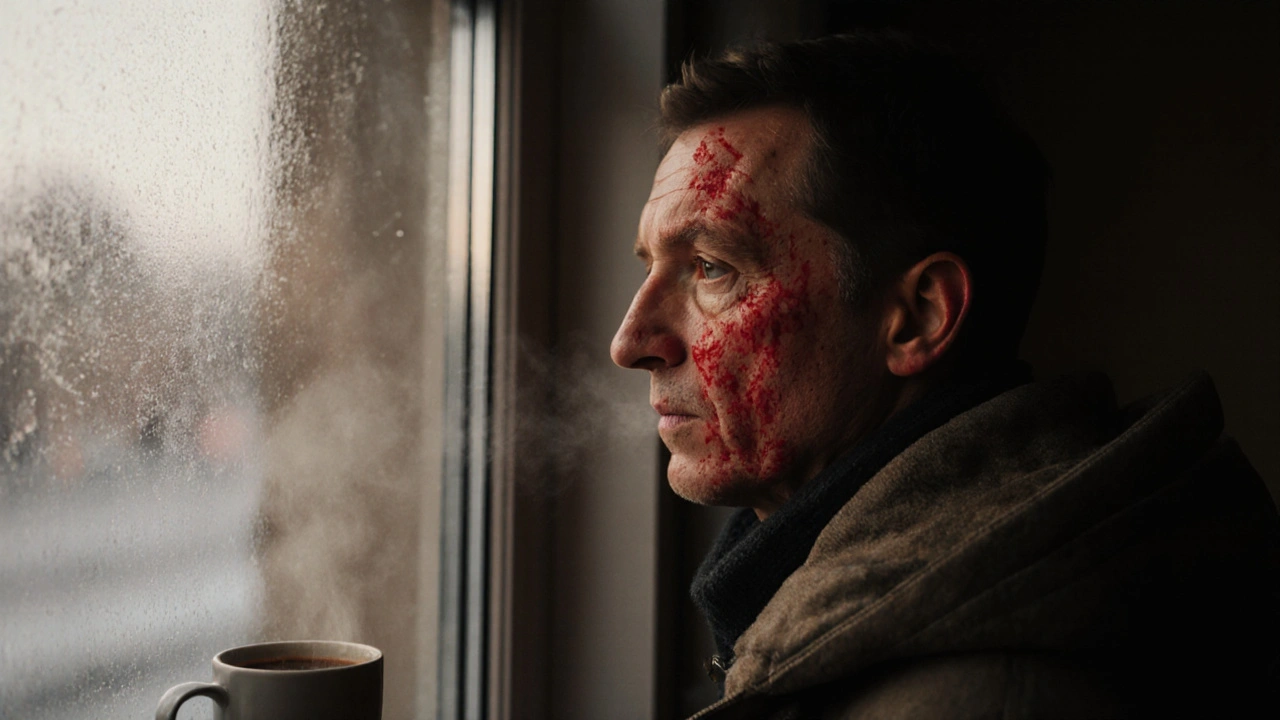
Zčervenání pleti může být způsobené sluncem, stresem, kosmetikou nebo onemocněním jako rosacea. Zjistěte, co ho vyvolává, a jak ho efektivně uklidnit bez škodlivých produktů. (Číst více)

1 dub 2026
7 dub 2026

6 dub 2026

9 dub 2026
4 dub 2026